Stainless Steel Fermentation Tank
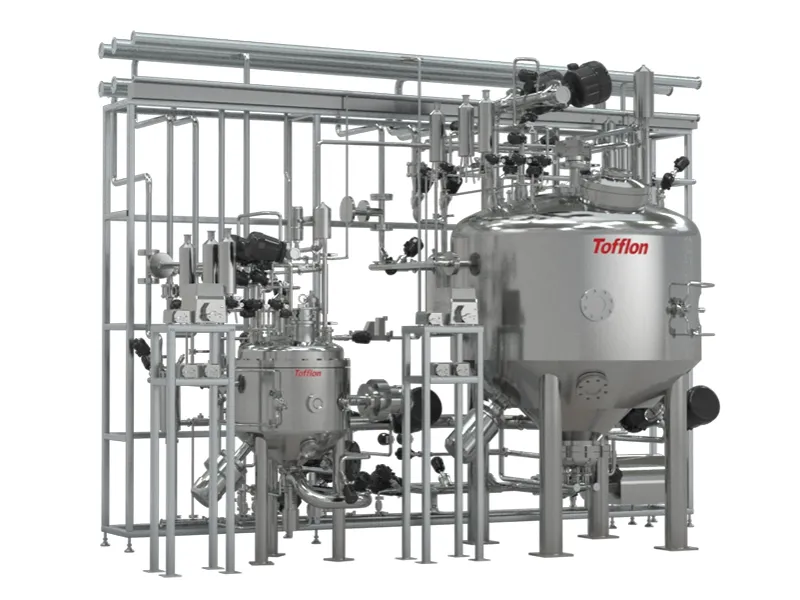
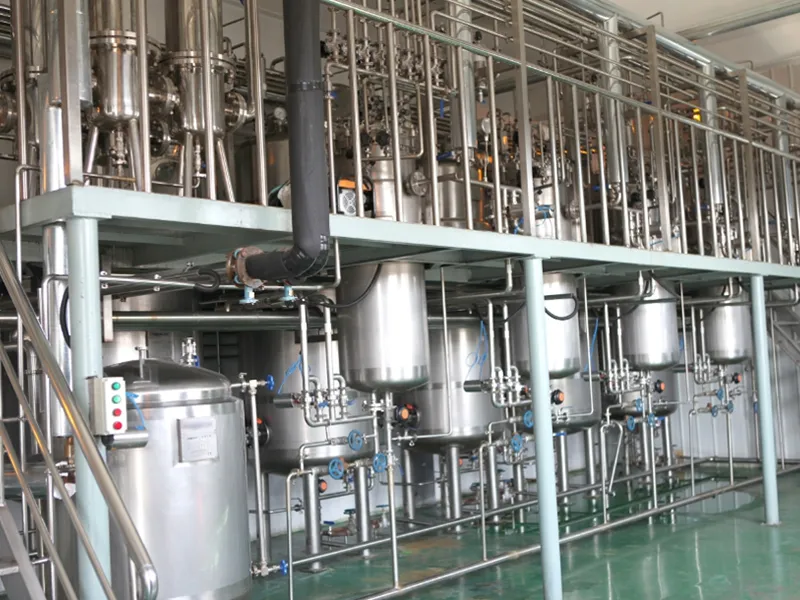
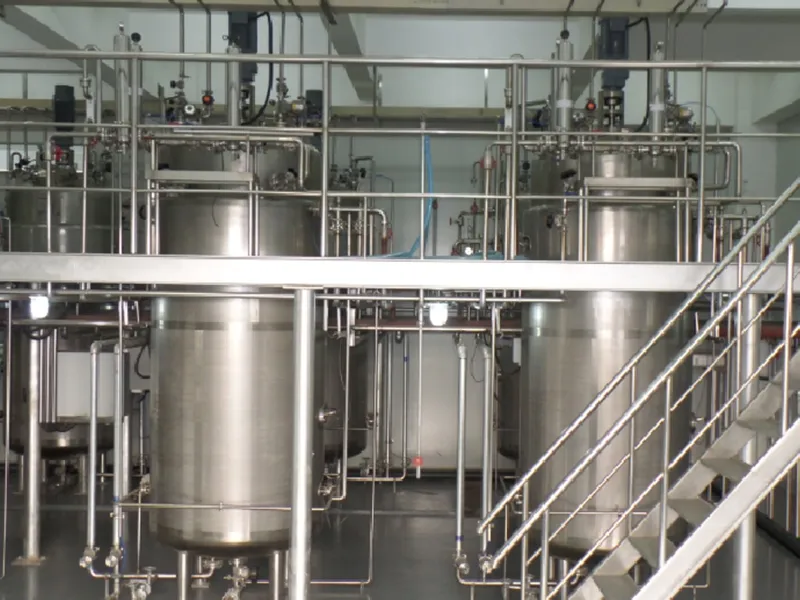
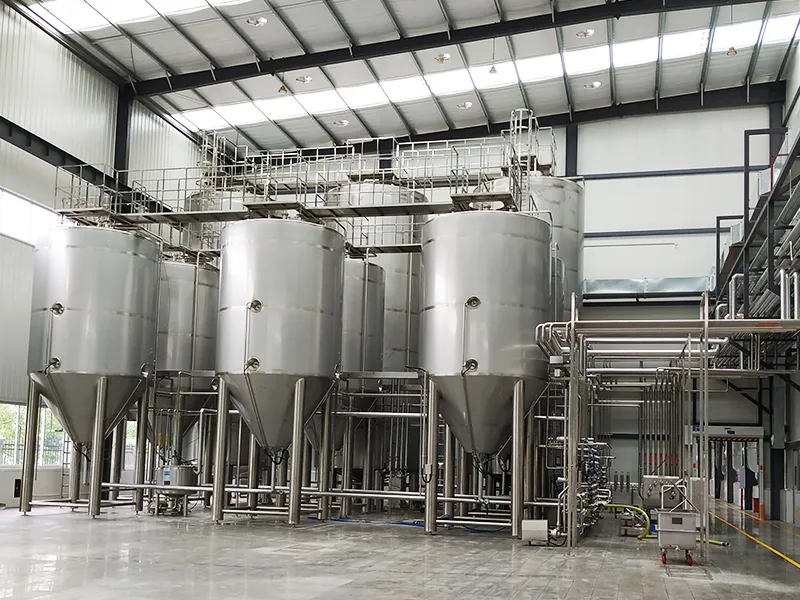
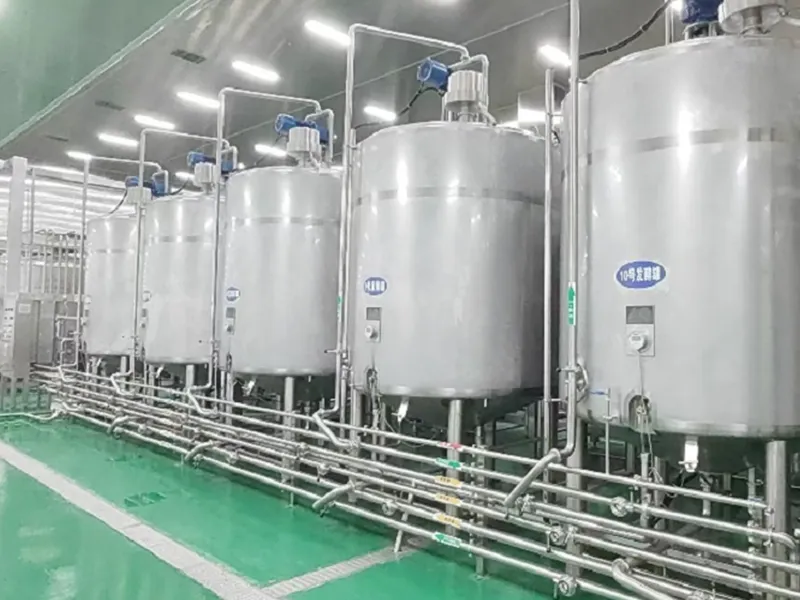
- Tank volume ranges: 5–50 L, 100–1000 L, 10–100 t, and 100–1000 t
- Custom volumes available according to process requirements
- Food and pharmaceutical applications: SUS316L stainless steel
- Other applications: SUS304 stainless steel
- Agitation: turbine agitator or combined turbine and four-wide-blade agitator
- SIP: clean-steam sterilization
Stainless steel fermentation tanks create the controlled environment required for microorganisms or cells to grow and for enzymes to catalyze biochemical reactions. Tank configurations vary according to the process: solid-state or liquid fermentation, aerobic or anaerobic operation, mechanical or airlift agitation, and single-stage or multi-stage culture expansion before production fermentation.
The culture medium enters the tank first, and the agitator keeps it moving throughout fermentation. As the liquid circulates, nutrients and heat spread more evenly through the culture. Aerobic processes (which require oxygen for microbial growth) also receive sterile-filtered compressed air through a bottom air distributor, while the agitator disperses the air as bubbles to improve oxygen transfer. The control system monitors temperature, pressure, pH, and liquid level throughout the process and adjusts the agitator speed or air flow when necessary. Once the fermentation cycle is complete, the fermented product leaves the tank through a sterile discharge route.
Fermentation tanks support the production of fermented foods, biopharmaceuticals, biomaterials, and biological products for environmental applications.
- Stainless steel tanks, piping, and control cabinets provide good durability for long-term use.
- The open pipe rack leaves enough space for valve and piping operation, inspection, and maintenance.
- The tank interior is mirror polished, with smooth welds and no hard-to-clean areas.
- Different agitator configurations can be chosen according to the fermentation process.
- CIP and SIP allow cleaning and sterilization in place, which reduces downtime between production cycles.