Freeze Dryers
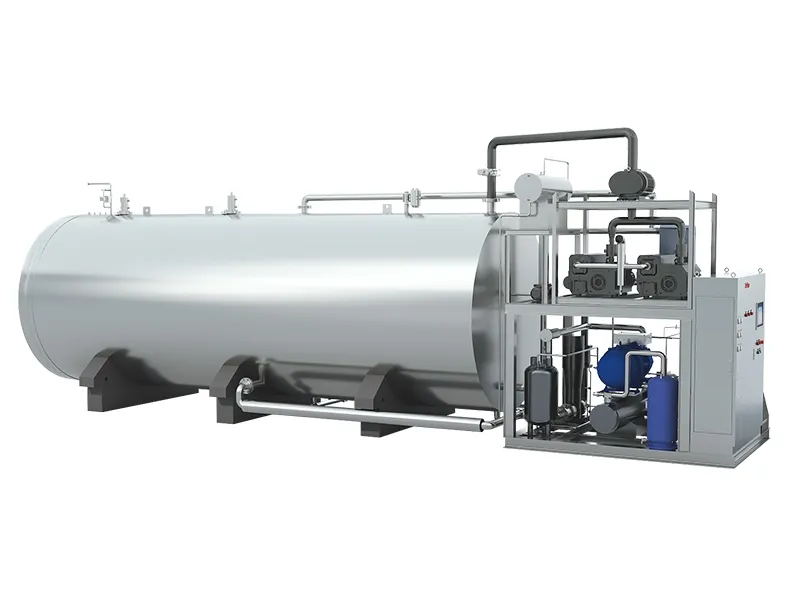
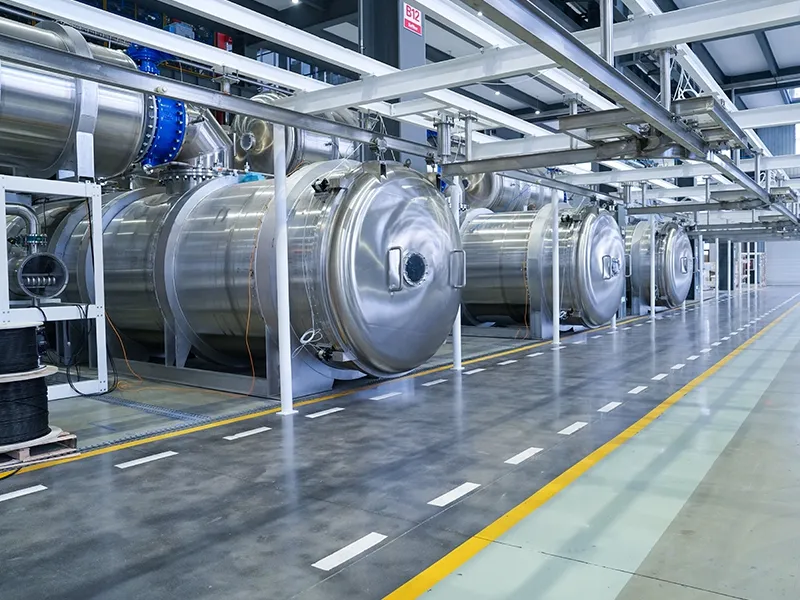
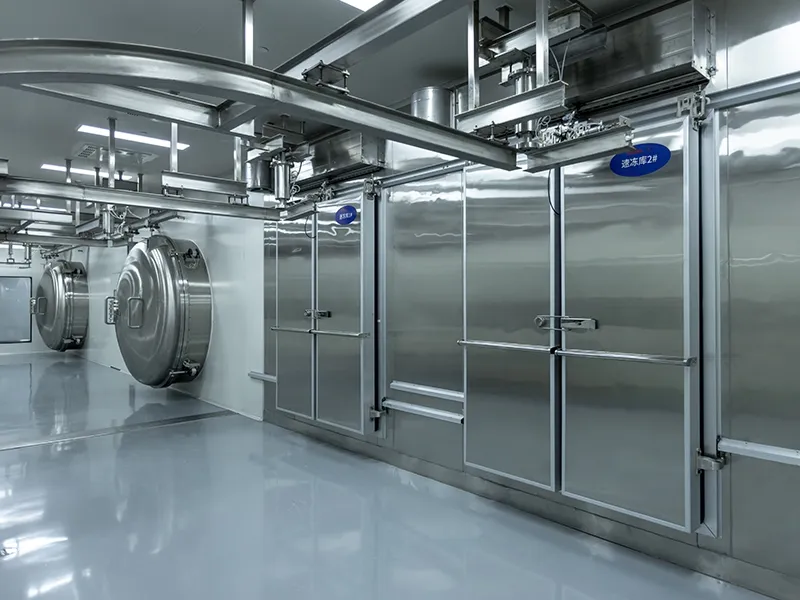
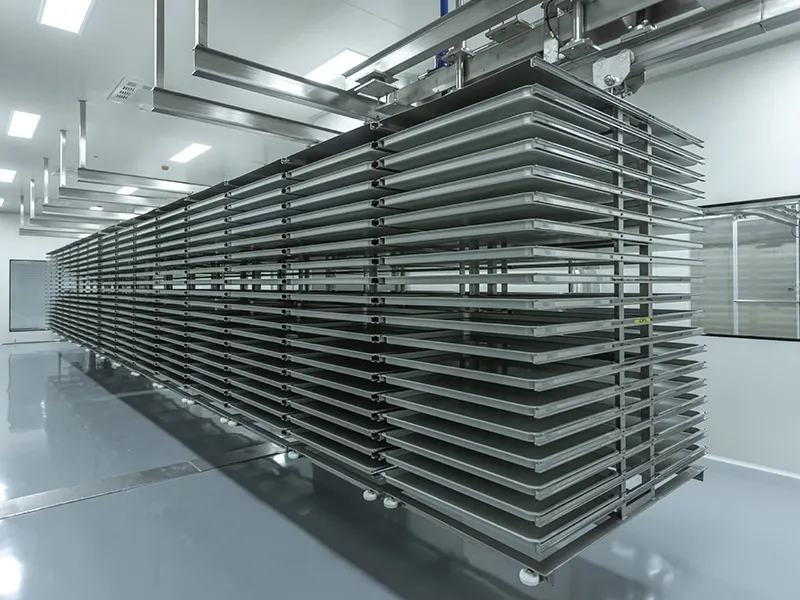
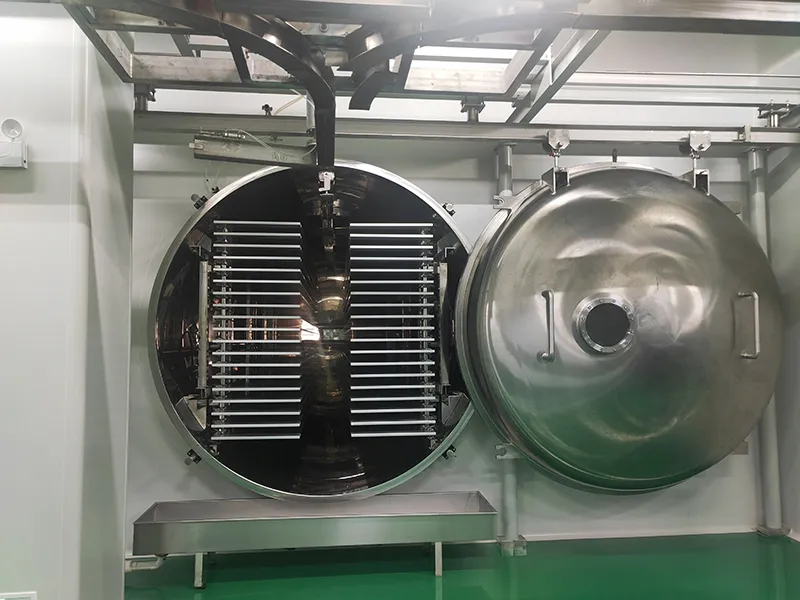
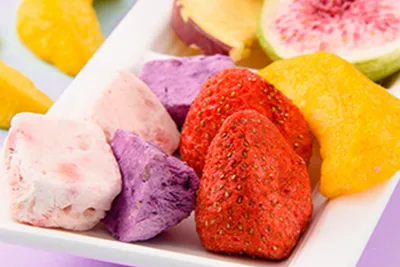
Freeze dryers, also called lyophilizers, remove water from products that have already been frozen. Under vacuum, the frozen water in the product changes directly from a solid to a vapor without having to melt first, and the low drying temperature aids in retaining its shape, flavor, nutrients, and other heat-sensitive components. After drying, the lyophilized products contain very little moisture and have a light, porous structure with minimal shrinkage, so they can absorb water again more easily and, with suitable packaging, remain stable for long periods at room temperature. Our freeze dryers follow standardized production methods, use high-quality materials and imported key components, and meet GMP requirements for food, Chinese herbal products, pet food, and industrial materials.
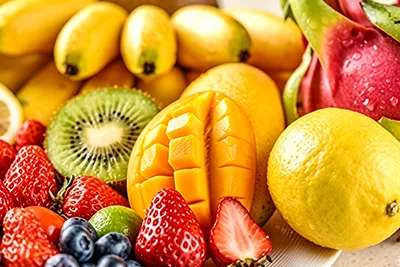
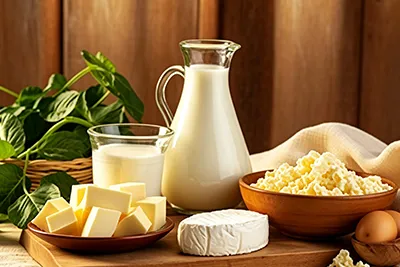
Freeze dryers can be used for fruits and vegetables, meat, seafood, health foods, instant powdered drinks, convenience foods, fresh Chinese herbs, fermented extracts, herbal decoctions, pet food, new materials, and fine chemicals.
- The separate pre-freezing unit can freeze the next batch while the current batch dries, so there is less waiting between cycles, and production can continue more efficiently.
- Radiant heat transfer enhances the distribution of heat throughout the product and aids in maintaining more uniform drying conditions.
- Users can set up freeze-drying recipes with 4–8 stages and adjust the process settings in real time as the drying cycle runs, which makes it easier to test different conditions during pilot-scale R&D and trial production for different products.
- The freeze dryer can run in manual, semi-automatic, or automatic mode, and it also includes electronic signatures, electronic records, audit trails, and user access management.
- PC and PLC controls connect to a modular SCADA system for remote monitoring, data collection, analysis, recording, and automatic control of the freeze-drying cycle.
- Optional Process Analytical Technology (PAT) gives operators more information about what is happening during freeze drying, which makes it easier to test recipes and adjust the process when needed.
- Low temperatures and limited water availability restrict microbial growth and enzyme activity, so many heat-sensitive materials retain their original properties without exposure to intense heat.
- In lyophilization, the material being processed remains frozen as moisture is removed, so its volume changes very little and the original structure remains largely intact instead of shrinking as it can with conventional drying.